
Introduction
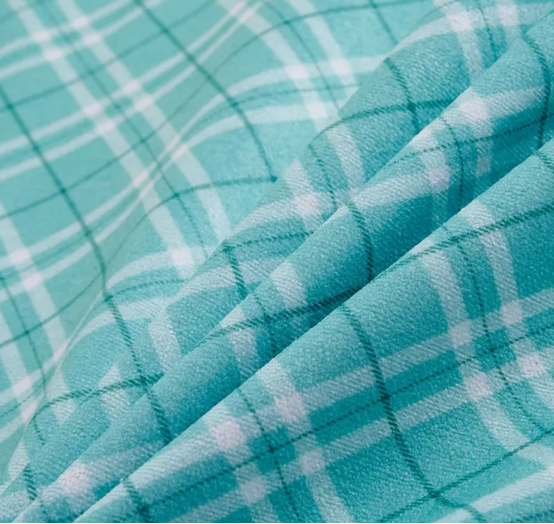
Microfiber fabric is widely used in bedding because of its smooth surface, soft hand feel, and versatile textile construction. When combined with a waterproof membrane, it can be developed into waterproof mattress protector fabric, mattress covers, pillow protectors, and other protective bedding products.
For bedding manufacturers, wholesalers, and private label brands, choosing the right waterproof microfiber fabric requires more than checking its appearance or price.
Fabric weight, construction, TPU membrane specifications, bonding quality, and washing durability all influence the performance of the finished product.
This guide explains what B2B buyers should consider when sourcing waterproof microfiber fabric for bedding applications.
1. What Is Microfiber Fabric?
Microfiber refers to textile fibers with very fine fiber diameters. In bedding applications, microfiber fabrics are commonly made from synthetic materials such as polyester.
Depending on the yarn and fabric construction, microfiber can provide a smooth surface, flexible structure, and comfortable hand feel.
Common characteristics include:
Smooth and soft surface
Lightweight construction options
Consistent appearance
Flexible material choices
Compatibility with different finishing and lamination processes
However, not all microfiber fabrics have the same properties. Fiber composition, yarn quality, fabric structure, GSM, and finishing methods can all influence the final result.
For B2B purchasing, buyers should request a clear technical specification rather than relying on the term “microfiber” alone.
2. Why Use Microfiber for Waterproof Bedding?
Microfiber is one material option for products that require both surface comfort and liquid protection.
When laminated with a TPU membrane, microfiber fabric can be used in different waterproof bedding constructions.
Potential applications include:
Waterproof mattress protectors
A microfiber surface can provide a smooth and soft feel while the TPU membrane helps prevent liquid penetration.
Waterproof mattress covers
Depending on the product design, microfiber can be used as the outer textile layer of mattress covers and protective bedding.
Waterproof pillow protectors
Its smooth surface can be suitable for pillow protection products, including zippered and envelope-style designs.
Custom bedding products
Different colors, weights, and fabric constructions can be considered for private label and OEM projects.
The final suitability depends on the specific material construction and tested product performance.
3. Choose the Right Fabric Weight (GSM)
GSM means grams per square meter. It is an important specification when comparing different microfiber fabrics.
The fabric weight influences material consumption, thickness, hand feel, and cost. However, a higher GSM does not automatically mean better quality.
When selecting waterproof microfiber fabric, consider:
- · Desired surface softness
- · Overall product thickness
- · Target retail or wholesale positioning
- · Flexibility and drape
- · Expected manufacturing process
- · Budget and material consumption
A lightweight construction may be suitable for a thinner mattress protector, while a heavier construction may be preferred for a product requiring a more substantial surface feel.
The correct GSM should be confirmed through sample evaluation and agreed technical specifications.
4. Understand Fabric Construction and Surface Feel
Microfiber can be produced in different textile constructions, and these choices affect its appearance and performance.
For bedding products, buyers may consider knitted or woven microfiber depending on the desired flexibility, surface texture, and product design.
Knitted microfiber
Knitted constructions can offer flexibility and may be suitable for fitted bedding products that require some stretch.
Woven microfiber
Woven constructions can provide a more structured surface and may suit product designs where dimensional stability and a smooth appearance are important.
When evaluating samples, check the surface feel, flexibility, dimensional stability, appearance, and suitability for cutting and sewing.
The selected fabric should also be compatible with the intended TPU lamination process.
5. Select the Appropriate TPU Waterproof Membrane
The TPU membrane is an important component of waterproof microfiber fabric.
It provides the liquid barrier while the microfiber forms the textile surface.
When discussing material specifications with a supplier, confirm:
- · TPU membrane thickness
- · Required waterproof performance
- · Lamination method
- · Overall fabric weight
- · Flexibility and hand feel
- · Any breathability requirements
The membrane thickness should be selected according to the intended application. Simply choosing the thickest available membrane may not produce the best overall material.
For products that need to balance comfort and waterproof performance, buyers should evaluate the complete laminated fabric.
Relevant waterproof testing should be performed using an agreed method and acceptance criteria.
6. Check Lamination and Bonding Quality
The microfiber surface and TPU membrane must remain properly bonded during use.
Poor lamination may cause bubbling, peeling, or separation between the textile and membrane.
These defects can affect appearance and may compromise product performance.
During sample evaluation, inspect the fabric for:
- · Uneven surface areas
- · Bubbles or wrinkles
- · Visible delamination
- · Changes in appearance after washing
- · Localized separation between layers
For bulk purchasing, ask the supplier how lamination quality is controlled and what relevant test results can be provided.
It is also important to evaluate the material after washing if the finished product is intended for repeated use.
7. Evaluate Waterproof Performance and Washing Durability
A waterproof microfiber fabric should be evaluated according to the intended application.
Important performance factors may include:
| Performance Item | What Buyers Should Check |
| Waterproof performance | Resistance to liquid penetration under the agreed test method |
| Hydrostatic pressure | Test result and required performance level |
| Bonding strength | Whether the textile and TPU membrane remain bonded |
| Washing durability | Changes in performance after repeated washing |
| Dimensional stability | Shrinkage and distortion after care procedures |
| Surface quality | Pilling, abrasion, and appearance changes where relevant |
| Comfort | Hand feel, flexibility, and any required breathability performance |
Not every project requires the same tests. A home bedding product may have different requirements from a product designed for institutional or healthcare use.
Buyers should define the relevant performance criteria before approving mass production.
8. What Specifications Should You Provide to a Supplier?
A detailed specification helps manufacturers recommend suitable waterproof microfiber fabric and prepare more accurate quotations.
| Specification | Details to Confirm |
| Fiber composition | Polyester or other specified composition |
| Fabric construction | Knitted or woven |
| GSM | Target fabric weight |
| Usable width | Required production width |
| Surface finish | Desired smoothness and hand feel |
| TPU thickness | Required membrane thickness |
| Waterproof performance | Target level and test method |
| Color | Standard or customized color |
| Application | Mattress protector, mattress cover, or pillow protector |
| Order requirements | Sample quantity, MOQ, and expected bulk quantity |
For OEM projects, also provide the target product design, expected washing conditions, and required delivery schedule.
The more specific the product brief, the easier it is to compare material options and avoid unnecessary sampling.
9. How to Choose a Reliable Waterproof Microfiber Fabric Supplier
When comparing waterproof microfiber fabric manufacturers, buyers should evaluate both technical capability and production consistency.
Consider asking:
- · Can you provide microfiber samples with different GSM options?
- · Can you customize the fabric width and color?
- · What TPU membrane specifications are available?
- · Can you provide waterproof and washing test results?
- · How do you control lamination quality?
- · Can you support customized development for mattress protectors and pillow protectors?
- · What are the MOQ and production lead time?
A reliable supplier should be able to explain the material construction clearly and help buyers select specifications based on the actual application.
Conclusion
Waterproof microfiber fabric can be a suitable material choice for mattress protectors, mattress covers, pillow protectors, and other bedding products.
The right selection depends on fabric construction, GSM, surface feel, TPU membrane specifications, bonding quality, and washing durability.
For B2B buyers, comparing complete material specifications and testing samples before bulk production is the best way to reduce sourcing risks.
Anhui Meihu New Material Technology Co., Ltd. supplies TPU laminated waterproof fabrics and waterproof bedding products for B2B customers. We support customized material development according to product design, performance requirements, and target applications.
Contact our team to discuss waterproof microfiber fabric, available constructions, and sampling requirements.
Email: trade@anhuimeihu.com
Website: www.meihumaterial.com
Post time: Nov-05-2026